A fire pit changes how you use a garden. It turns a cool May evening into an hour you hadn't planned on staying out for, and gives a barbecue somewhere to move to once the food is done.
Choosing between wood and gas isn't about which one is better. It's about matching the fire to your habits: how often you'll light it, who's sitting around it, and how much faff you'll tolerate.
A wood fire pit is essentially a heatproof bowl, so where you put it matters more than the model. Never straight onto decking, artificial grass or a dry lawn: use a paving slab base or a heat-resistant mat, and keep it well clear of fences, sheds, hedges and overhanging branches. Two to three metres from anything flammable is a sensible rule, and more on a windy day.
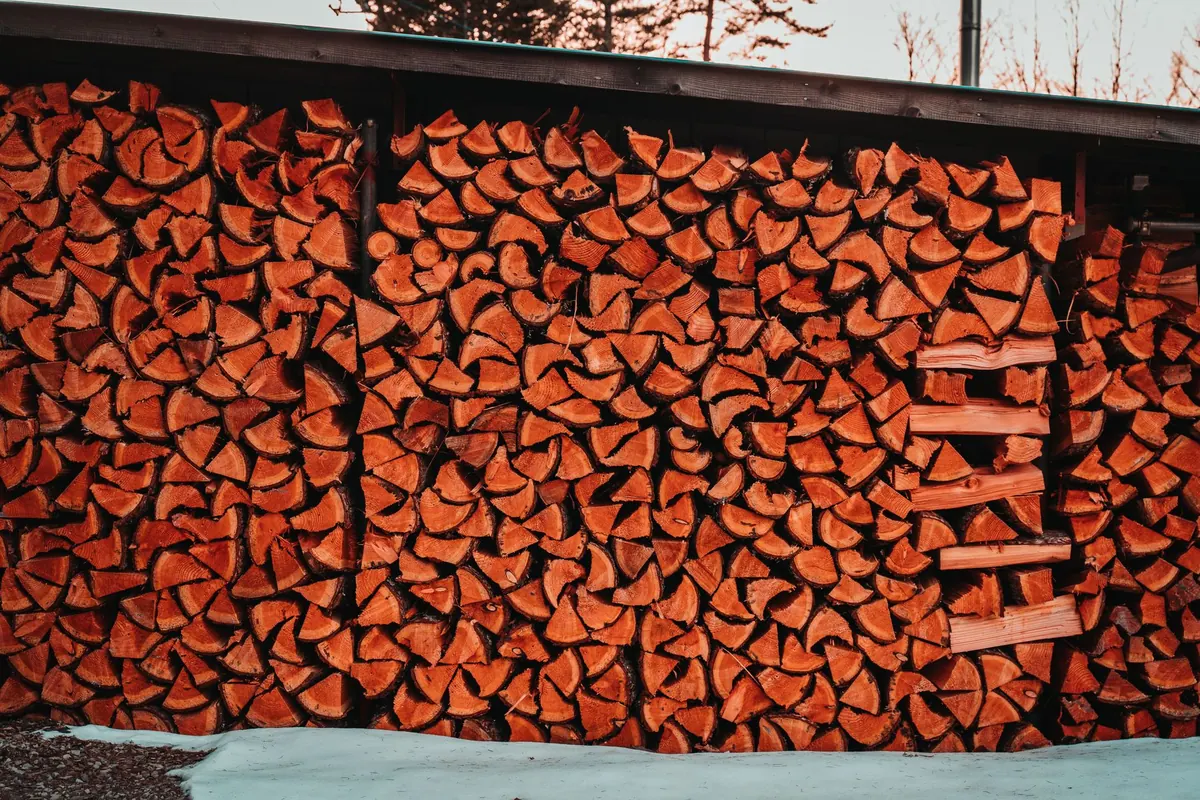
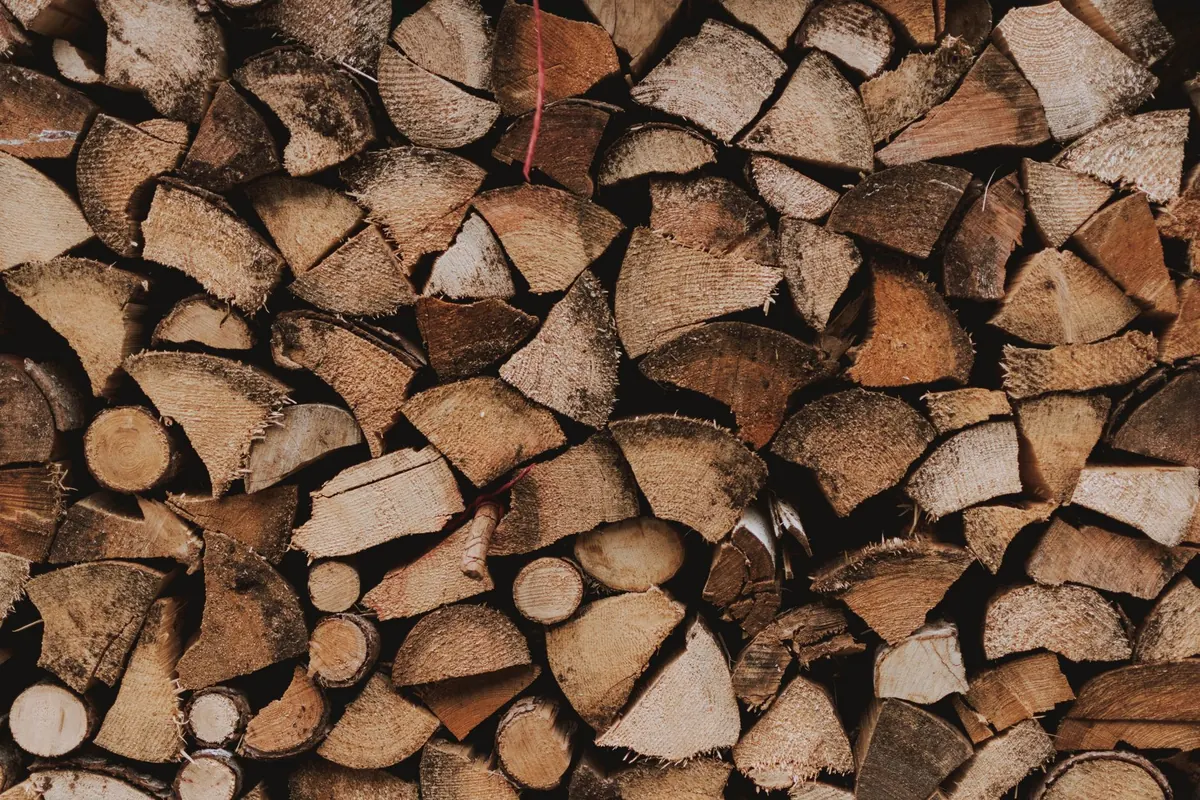
You'll want a spark screen if your garden is overlooked, plus a poker and somewhere dry to store logs. Kiln-dried hardwood lights easily and burns hot with little smoke. Damp or green wood smoulders, spits and smokes, which is unpleasant for you and worse for anyone next door.
Check local rules before you buy. Some towns have smoke control areas or bylaws that restrict visible smoke from chimneys and garden fires, and a few leaseholds or rented properties ban open flames altogether. If you live in a terraced house with a small yard, a wood burner can still work, but you'll need to be more careful about wind direction, distance and fuel quality than someone with a half-acre garden.
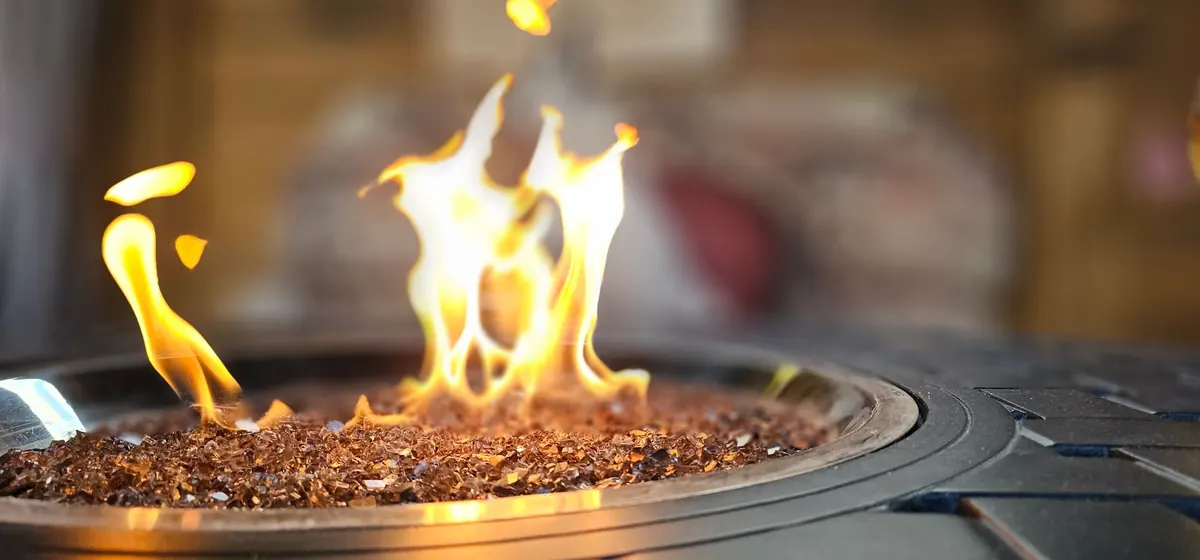
Gas fire pits are sold as bowls, tables or cubes with a burner, lava rock or ceramic logs, a hose and a regulator. Some hide a small patio gas cylinder inside the unit; others run from a larger bottle tucked alongside. Tabletop versions take disposable cartridges.
A permanent connection to your mains gas supply is a job for a Gas Safe registered engineer. Portable bottled-gas models don't need that, but do check the hose and joints for leaks — soapy water will bubble at a leaking joint — and store cylinders upright and outdoors.
Gas still needs space. Keep the unit on a level, non-combustible surface, follow the manufacturer's clearance distances, and never use it indoors, in a tent, under a canopy or in a garage. Even a small burner produces carbon monoxide, and the convenience of gas only stays convenient if the installation is safe.
Wood gives radiant heat, warming the side of you facing it. That's why a group naturally forms a circle and slowly rotates as the evening goes on. Output varies with the fuel, the airflow and how often you feed it, so it's never constant. The smell and the crackle are half the appeal.
Gas is predictable. The burner has a rated output printed on the label and a knob to turn it up or down, so the heat is steady and arrives almost immediately. It's a drier, cleaner warmth with no smoke, though it lacks the drama of a real fire.
If you enjoy the ritual of building and tending a fire, wood wins. If you want warmth on demand without smelling of smoke, gas is hard to argue with. A gas fire pit also tends to be easier to use in a hurry: one match, one knob, and you're sitting down. A wood fire asks you to plan ahead, but that planning is part of the pleasure for many people.
Gas burns very efficiently, but patio gas is an expensive way to buy energy. Wood is cheap if you have a local supply and somewhere to season it, and dear if you're buying small bags from a garage. Prices vary widely by region and supplier, so price both locally rather than guessing. A few general rules:
Don't forget the fixed costs. A gas model often costs more to buy, then needs a regulator, hose, cover and possibly a cylinder deposit. A wood model may be cheaper up front, but you'll still want a spark screen, poker, heat mat and a dry log store. Over several years, the cheaper option depends less on the fuel price and more on how often you actually light it.
Wood asks something of you every time. You need dry kindling, firelighters and patience while it catches, and a plan for the ash, which should go into a metal container and cool fully before it goes anywhere near a bin. Wind is a nuisance: smoke follows whoever is sitting opposite, and sparks can travel. In return, there's nothing to run out of.
Gas is a knob and a lighter. No ash, no soot, no smell on your clothes, and you can switch it off and walk inside. It still needs attention: keep the burner dry with a cover, clear dust and cobwebs from the burner ports, check the lava rock isn't smothering the flame, and replace ceramic logs if they crack or crumble. Wash the bowl occasionally, and inspect the hose and regulator for cracks or perishing before the season starts.
Wood upkeep is messier but simpler. Empty the ash once it's cold, scrub the bowl if sap or soot builds up, and keep the grate or log rack in good condition. If you use the fire pit often, both types will benefit from a breathable cover and a dry storage spot over winter.
Wood smoke is the main flashpoint. It can drift into windows, hang in still air and aggravate asthma or hay fever. Burning only dry, untreated wood and avoiding damp, windless evenings reduces the problem, but it doesn't remove it. In a close-packed neighbourhood, a gas fire pit is often the more considerate choice — and the one less likely to generate a complaint.
Gas has its own risks. Carbon monoxide is invisible and odourless, so never treat a gas fire pit like an indoor heater. Check connections with soapy water, keep cylinders upright and outside, and turn the gas off at the cylinder when you're finished. Children and pets need a clear boundary around either type; a fire pit remains hot long after the flames die down, so a removable guard is worth having.
Choose wood for the ritual, the crackle and the radiant heat. Choose gas for instant warmth, clean hands and no ash. The right answer is the one you'll actually use on a Tuesday night, not just at a summer party.
If you have a small patio, limited storage, neighbours close by or a household that wants heat at the turn of a knob, gas is usually the better fit. It's also the safer bet for rented homes where you can't modify the garden or store logs.
If you have space, a local log supply and a household that enjoys the theatre of a real fire, wood will reward you. It's slower, smokier and messier, but it's also warmer to sit around and more memorable.
If you can't decide, consider a dual-fuel fire pit table or a simple compromise: a gas pit for everyday use and a small wood bowl for weekends when you have time to tend it. Either way, buy the size that suits your seating, not the biggest one that fits the patio. A fire pit is only as good as the evenings it actually gets used.
Photo: Gary Saamanen / Pexels