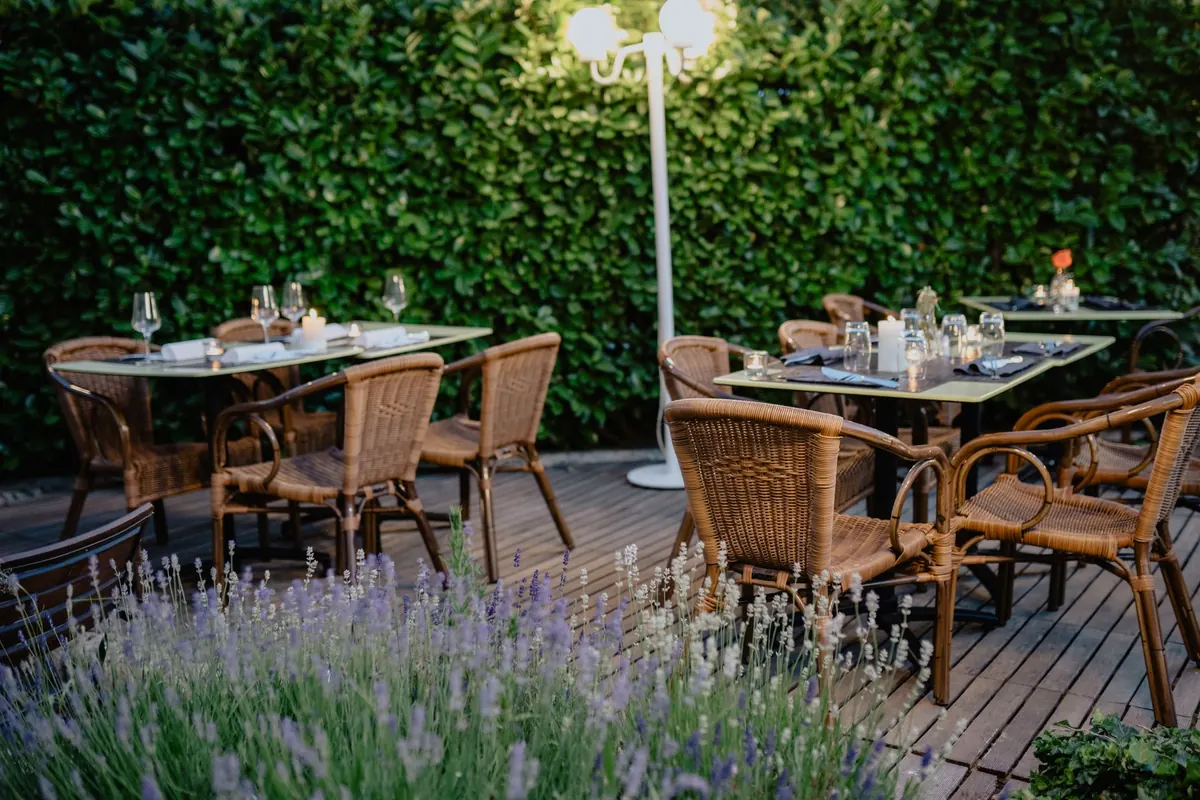
A British patio evening has a habit of turning cool just as everyone has settled into their seats. The food is out, the conversation is going, and someone reaches for a jumper. Outdoor heating buys you the extra hour — sometimes the extra season — and the right choice depends far more on your space and how you use it than on the price tag.
Here is how the main options compare, what they are like to live with, and how to think about running costs before you spend anything.
Most patio heaters are radiant, meaning they warm people and surfaces rather than the air around them. That is precisely why they work outdoors at all. There are two types worth knowing.
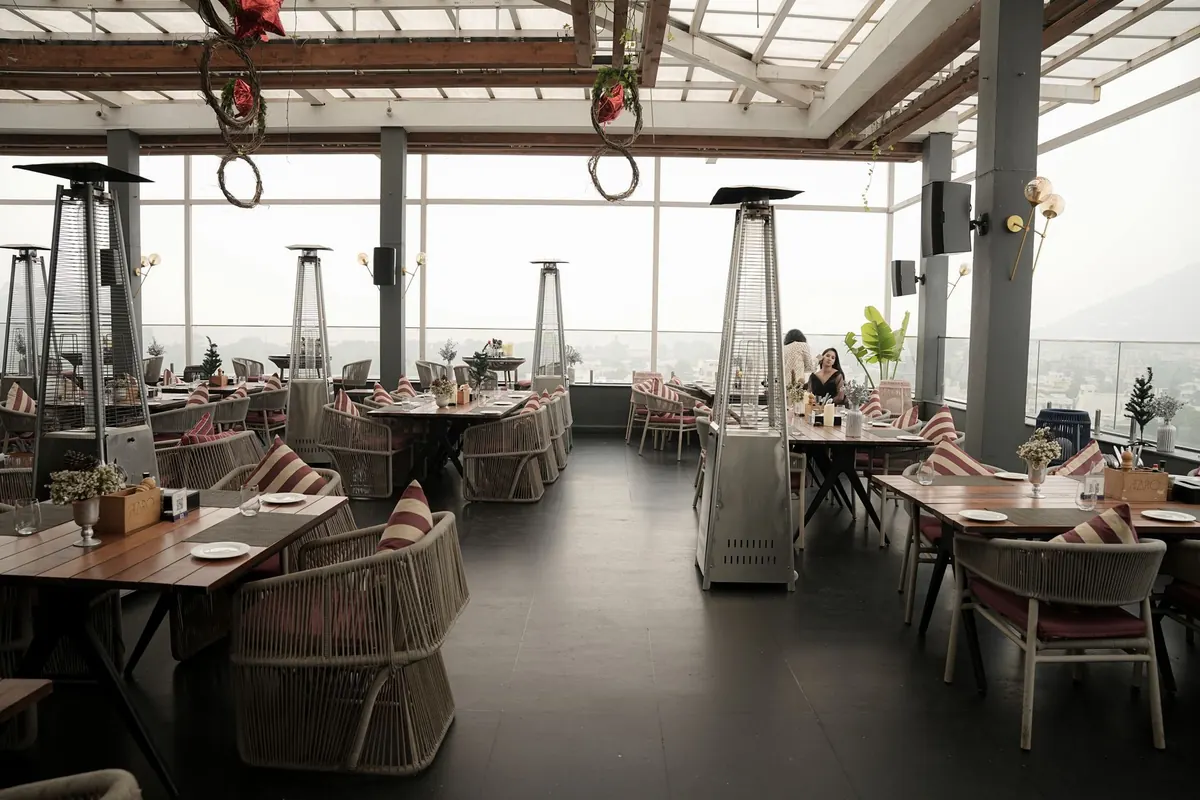
Powered by an LPG bottle, these are the tall mushroom-style units you see outside pubs, plus smaller tabletop versions. Output is strong and directional. The trade-offs are practical: you need refills, a spare bottle, and somewhere to store it upright outdoors. They also produce water vapour and carbon dioxide, so they must have open air around them — never inside a sealed tent, gazebo or conservatory.
Quartz or halogen lamps start warming the moment you switch them on, with no refills and no fumes. Have a properly installed outdoor socket with RCD protection rather than trailing an indoor extension lead across wet paving. The weakness is wind: a breeze strips radiant heat away, so position them close to where people actually sit.
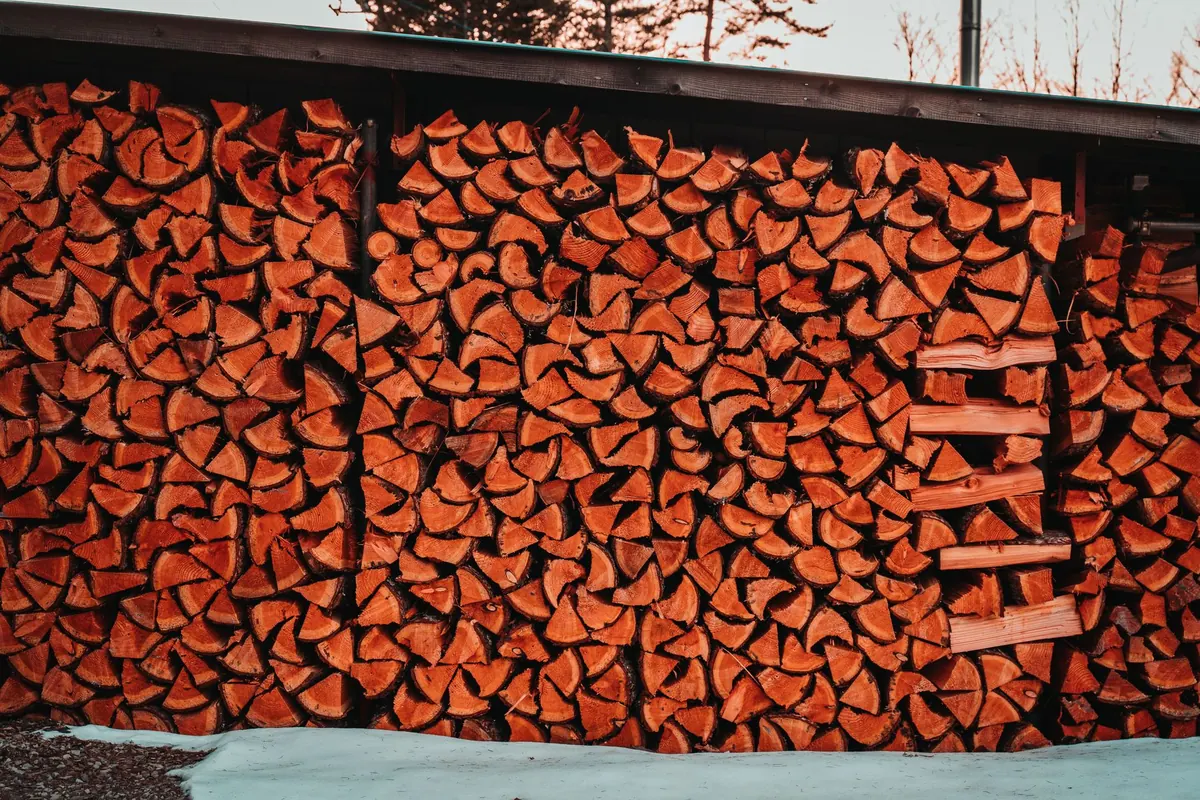
A wood-burning fire pit is the social option. A steel bowl, dry seasoned logs and a little kindling will keep a group talking for hours, and the heat is generous if you sit close. Smoke is the trade-off, and it always seems to drift towards whoever is complaining about it. If you live in a Smoke Control Area, you will need to burn authorised smokeless fuel or use an exempt appliance — your local council can confirm whether your area is covered.
Gas fire pits give you flames without the ash, usually with lava rock or ceramic logs. They light instantly, switch off cleanly, produce far less smoke, and still need a bottle. The flames are less lively than real logs, and you lose the ritual of building a fire.
Whichever you choose, sit the pit on a heatproof surface rather than straight onto decking or artificial grass, and keep it well clear of fences, parasols, planting and anything fabric. Check the manufacturer's clearances, and watch which way the wind usually crosses your patio before you settle on a spot.
A chiminea is a fire pit with a chimney, which means the smoke is drawn upwards and away instead of into your neighbour's washing. That makes it a good fit for smaller gardens and terraces, and it throws heat in one direction — towards whoever is sitting in front of it.
Clay chimineas look lovely and can crack if they are rained on or heated too fast, so cover them and warm them up gradually. Cast iron and cast aluminium versions are heavier and pricier but shrug off British weather. Fire bowls are shallower and cheaper, better for a quick burn than a long evening.
Electric infra-red heaters mount on a wall or under a pergola roof and warm people and surfaces directly, like sunlight. There is no glow, no fan noise, no smell and no fuel to store — just a warm patch where you point them. Most run between about 1.2kW and 3kW, and many come with remote controls or timers.
They suit covered patios best. Under a roof, against a wall, with a screen on the windy side, an infra-red heater can make a cold evening genuinely comfortable for a fraction of the fuss of a fire. Out in the open, much of that heat simply blows away.
Work it out rather than guess, because the differences add up over a winter.
Habits matter as much as hardware. Seat people out of the wind, add a screen or a wall, run a timer instead of leaving a heater on all evening, and heat the seats rather than the whole patio. A blanket over your knees beats another kilowatt every time.
If you are adding a hardwired heater, a permanent gas supply or a covered structure, use a qualified electrician or a Gas Safe registered engineer, and check whether your insurance, tenancy or any planning rules are affected before work starts.
A small courtyard with close neighbours usually suits an infra-red heater or a chiminea. A large open patio with a crowd calls for a gas patio heater or a generous fire pit. Renters and anyone short on storage are best served by electric options that plug in and pack away.
Most well-used gardens end up with two things: a fire pit or chiminea for atmosphere, and one infra-red or patio heater aimed at the seats for the shoulder months. Start with shelter and a decent jumper, then add heat where people actually sit — not where the space simply happens to be.
Photo: Susheel Parihar / Pexels